


Tri Ethylene Glycol (TEG) is a clear, odorless, and colorless liquid with the chemical formula C6H1404. It is a hygroscopic compound, meaning it has a strong affinity for water, and is primarily known for its use in the oil and gas industry. TEG plays a crucial role in the natural gas processing industry as a dehydration agent, helping to remove water and impurities from natural gas streams. It is also used as an antifreeze in various industrial applications and as a component in the manufacture of plastics and resins.
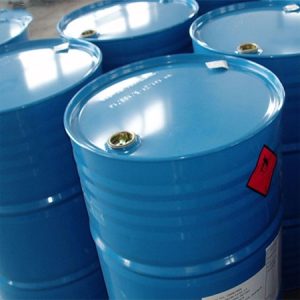
Tri Ethylene Glycol (TEG) Advantages
- Efficient Dehydration: TEG is highly effective at removing water and impurities from natural gas, making it a preferred choice in gas processing.
- Low Toxicity: It has low toxicity levels, making it safe for handling and use in industrial applications.
- Versatility: TEG is versatile and finds applications in various industries, including petrochemicals, plastics, and pharmaceuticals.
- Thermal Stability: It exhibits excellent thermal stability, even at high temperatures.
- Cost-Effective: TEG is cost-effective and provides reliable performance in its various applications.
Tri Ethylene Glycol (TEG) Uses
- Natural Gas Dehydration: TEG is widely used to remove moisture from natural gas streams during gas processing.
- Antifreeze Agent: It serves as an antifreeze in industrial cooling systems and heating applications.
- Plastics and Resins: TEG is a key component in the production of plastics, resins, and polyester fibers.
- Pharmaceutical Formulations: It is used in some pharmaceutical formulations as a solvent and stabilizer.
- Humidity Control: TEG can be employed in air conditioning and humidity control systems to regulate moisture levels.
Diethylene Glycol (DEG)
- Introduction: Diethylene glycol (DEG) is an odorless, colorless, clear and viscose liquid with a sweet taste, which is produced from the reaction between water and ethylene oxide. In fact, it is the co-product of ethylene glycol alongside with triethylene glycol (TEG). It is miscible with water, alcohols, acetone, ether and has the chemical formula of C4H1003.In terms of chemicals properties, diethylene glycol is similar to MEG (mono ethylene glycol), but it has a higher specific gravity, viscosity and boiling point.
General Applications
- Diethylene glycol is used in the manufacture of unsaturated polyester resins, plasticizers and polyurethanes. It is also used as textile lubricant, solvent in textile dyeing and printing, humectant, selective solvent for aromatics in petroleum refining, plasticizer for paper, cork and synthetic sponges, raw material for the production of esters used as emulsifiers and demulsifies, constituent of hydraulic fluids and solvent in printing inks.