


What Is Bitumen? What are its Types and Usage Areas?
Bitumen is a substance that can be found in solid, semi-solid or liquid forms with a color ranging from dark brown to black with hydrocarbon composition obtained by natural precipitation of crude oil or by distillation in refineries. Bitumen can also be found as a natural deposit obtained during the refining process of petroleum or as a compound of naturally occurring asphalt with mineral substances in it. In short, bitumen is obtained from crude oil. Bitumen can also be found as a natural deposit obtained during the refining process of petroleum or as a compound of naturally occurring asphalt with mineral substances in it. It is an indispensable component of Bitumen Asphalt Plant.
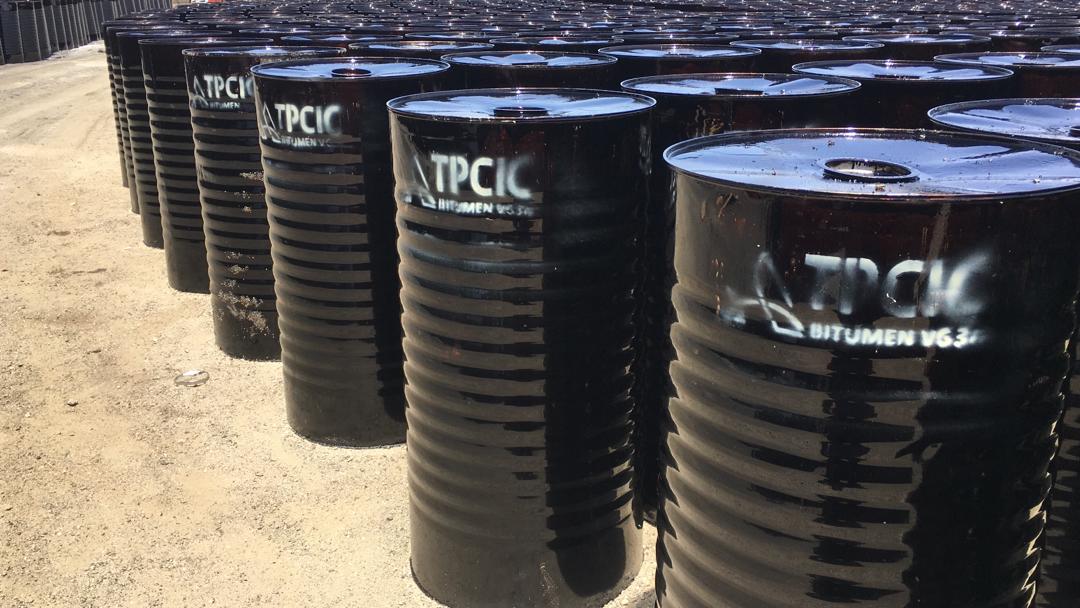

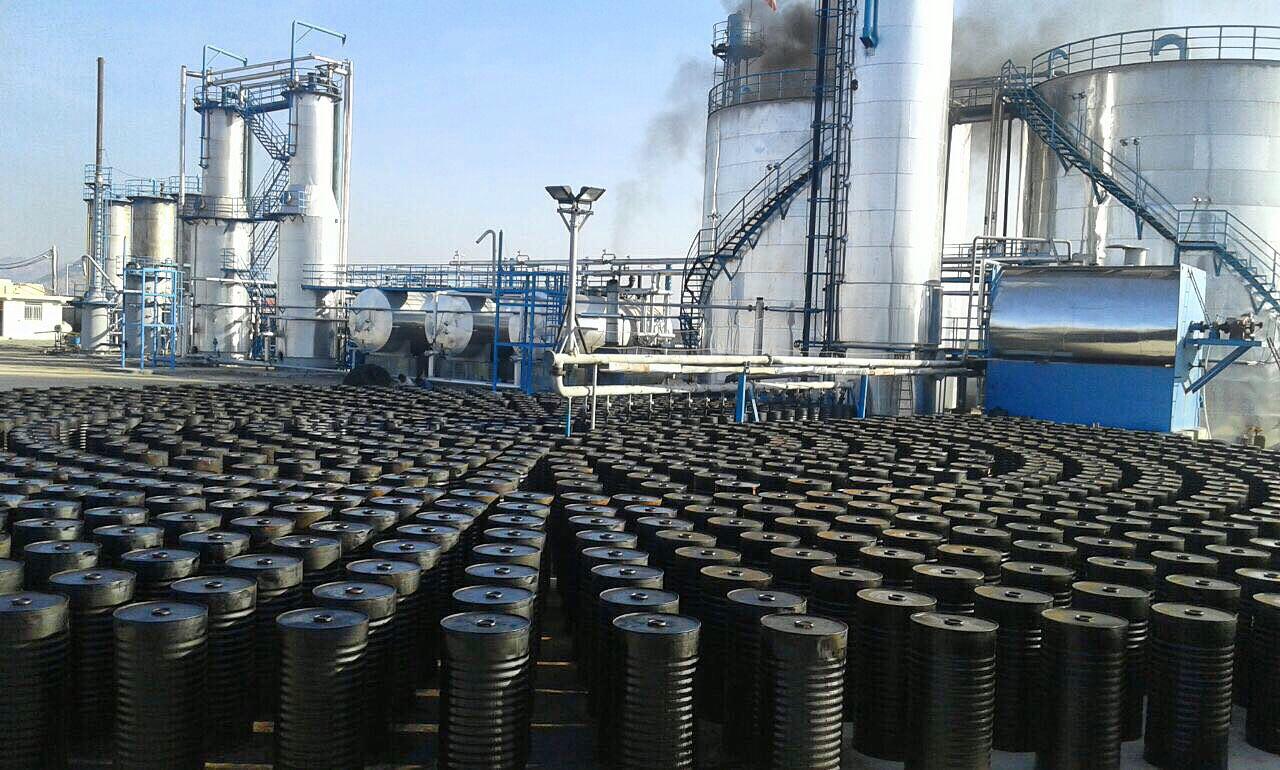
Bitumen, also known as asphalt, is a substance produced through the distillation of crude oil that is known for its waterproofing and adhesive properties. Bitumen production through distillation removes lighter crude oil components, such as gasoline and diesel, leaving the “heavier” bitumen behind. The producer often refines it several times to improve its grade.
Due to its basic resistance, waterproofing and natural adhesive properties, it is used in many areas such as road construction, roofing, foundation insulation, flooring, masticing, paint production. Before bitumen can be used, it must be separated, purified, mixed, and sometimes chemically or physically modified. When the bitumen is handled properly, bitumen can be reheated or stored for a long time at high temperatures without losing its properties. However, improper handling of bitumen by overheating or using conditions that can cause oxidation can affect its properties and the long-term performance of materials made from it. Therefore, bitumen should always be stored and handled at the optimum temperature possible. For mixing and transferring liquid bitumen in normal operations, it is recommended to set the minimum pumping temperature at a temperature of 10°C to 50°C above.
They are produced in 4 types as bitumen penetration type, oxidized, hard, solid and cutback bitumen, and they are separated from each other by their combinations of penetration, viscosity and softening point. Most of the penetration type bitumens are used in road construction. Oxidized bitumen is used in roofing, flooring, mastication and pipe coating works. Hard bitumen is used in industrial applications such as coal briquetting, paint production. Until recently, cutback bitumen frequently was used because it was economical and did not require high processing heat. However, its usage has started to decrease day by day. The performance of a structure depends on many factors, including the design, application and quality of the materials used. Although it occupies a small place in the bitumen mixture by volume, it has a very important role in the mixtures due to its durability and viscoelastic feature to the bituminous mixture. Mainly, good performance of bitumen on the road is ensured by controlling its rheology, icohesion, adhesion and durability properties.
BITUMEN GRADE VG30
| Specification | Test Method | Specification Declared by the Principal | Result |
| PENETRATION @ 25° C-100gr-5s,0.1 MM | ASTM D5 | 45-70 | 51 |
| SOFTENING POINT (R&B) °C | ASTM D36 | 50 min | 49.8 |
| FLASH POINT, °C (CLEVELAND OPEN CUP) | ASTM D92 | 220 min | 346 |
| SOLUBILITY IN TCE, %WT | ASTM D2042 | 99 min | 99.99 |
| ABSOLUTE VISCOSITY 60° Polse | ASTM D2171 | 2400 min | 3140 |
| KINEMATIC VISCOSITY 135°C, mm2/s | ASTM D2170 | 350 min | 438 |
| Thin Film Oven Test,163°C,3.2mm, for 5 hours (TFOT) | |||
| VISCOSITY RATE 60°C | ASTM D2117 | 4 max | 1.05 |
| DUCTILITY @25°C,5CM/MIN, CM After Thin Film Oven Test | ASTM D113 | 40 min | >40 |
| SPECIFIC GRAVITY @27/27°C | ASTM D70 | 0.99 min | 1.031 |
BITUMEN GRADE VG40
| Specification | Test Method | Typical Data |
| ABSOLUTE VISCOSITY 60° C | IS 1206 (Part2) | Min. 3200 |
| KINEMATIC VISCOSITY 135°C | IS 1206 (Part3) | Min.400 |
| FLASH POINT, °C (Cleveland Open Cup) | IS 1209 | Min. 220 |
| SOLUBILITY IN TCE, %WT | IS 1206 | Min. 99 |
| SOFTENING POINT (R&B) | IS 1205 | Min. 50 |
| PENETRATION @ 25 °C, 100gm, 5secs | IS 1203 | 40 – 60 |
| Tests on Residure from Thin Film Oven Tests/RTFOT | ||
| VISCOSITY RATE 60°C | IS 1206 (Part2) | Max. 4 |
| DUCTILITY @25°C, cm. After Thin Film Oven Test | IS 1208 | Min. 25 |
| SPECIFIC GRAVITY @27/27°C | IS 1202 | Min. 0.99 |
Bitumen Penetration Grade 60-70
| Test | Specification | Test method |
| Penetration @25 C | 60/70 | ASTM D5 |
| Softening point C | 49/56 | ASTM D36 |
| Ductility (@25 C)5CM/min, after TFOT | <50 | ASTM D113 |
| Loss on heating Wt% | 0.2 max | ASTM D6 |
| Flash Point C | 232 min | ASTM D92 |
| Specific gravity Gr/cm3 | 99.5 | ASTM D70 |
| Retained Penetration (T.F.O.T) % | 68 | ASTM D5 |
| Density @ 25C kg.m2 | 1.01-1.6 | ASTM D 70ord3289 |
| Spot test | Negative | A.A.S.H.O.T.102 |
| Viscosity @ 135C | 300 MIN | ASTM D2170 |
Bitumen Penetration Grade 80-100
| Description | Limit | Test Methods |
| Density at 25°C | 1.01-1.06 | ASTM D-70 |
| Penetration Rate at 25°C | 80-100 | ASTM D-5 |
| Softening Point °C | 42-50 | ASTM D-36 |
| Ductility at 25 °C (cm), Min | 100 | ASTM D-113 |
| Flash Point °C, Min | 250 | ASTM D-92 |
| Solubility in Disulfide %wt. | 99.5 | ASTM D-4 |
| Spot Test | Negative | A.A.S.H.O.T.102 |
| Weight Loss by Heating %Wt., Max | 0.2 | ASTM D-6 |
PENETRATION GRADE BITUMEN
| Test | Methodology | 30-40 | 40-50 | 60-70 | 85-100 | 100-120 |
| Density | ASTM D-7 | 1.01-1.06 | 1.01-1.06 | 1.01-1.06 | 1-1.05 | 1.01-1.04 |
| Penetration Rate at 25°C | ASTM D-5 | 30-40 | 40-50 | 60-70 | 85-100 | 100-120 |
| Softening Point | ASTM D-36 | 55-63 | 52-60 | 49-56 | 45-52 | 42-49 |
| Ductility 25°C (cm) | ASTM D-113 | 100 | 100 | 100 | 100 | 100 |
| Flash Point °C – MIN | ASTM D-92 | 250 | 250 | 250 | 250 | 250 |
| Solubility in Disulfide % wt | ASTM D-4 | 99.5 | 99.5 | 99.5 | 99.5 | 99.5 |
| Stain Test | AASHTOT 102 | Negative | Negative | Negative | Negative | Negative |
| Weight Loss by Heating % wt max | ASTM D-6 | 0.2 | 0.2 | 0.2 | 0.2 | 0.2 |
| Penetration Loss by Heating % -max | ASTM D-6-D-5 | 20 | 20 | 20 | 20 | 20 |